Muktinath Temple

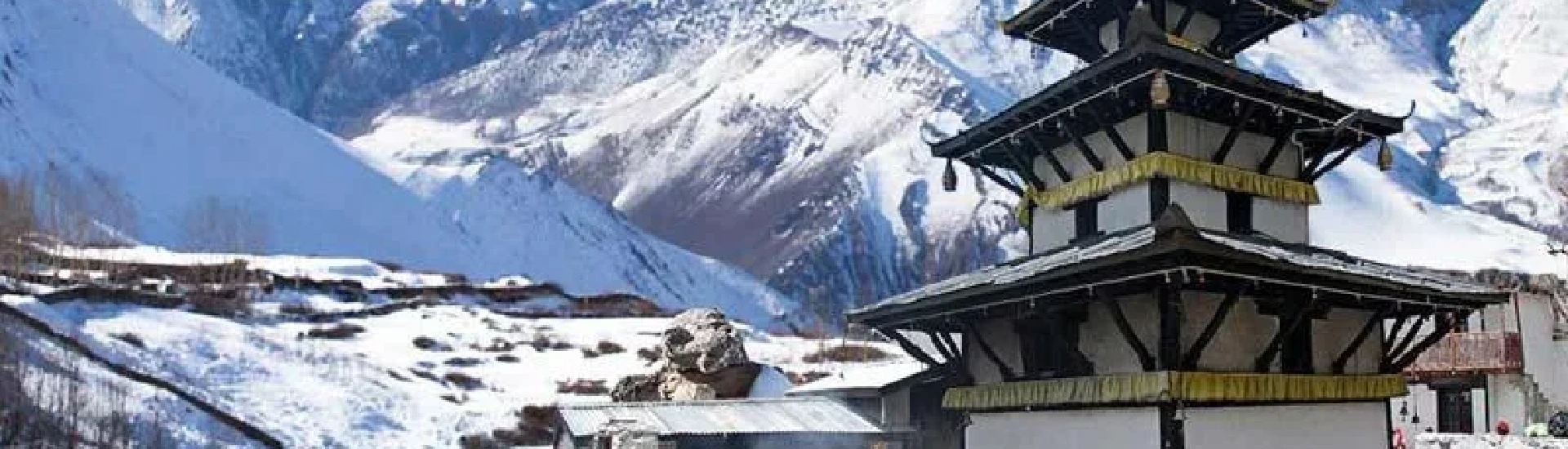
The Muktinath Temple, situated at a challenging altitude of approximately 3,800 meters (12,467 feet) in the remote Mustang district of Nepal, stands as a profoundly sacred site revered by both Hindus and Buddhists as the ‘Place of Liberation’ (Mukti Kshetra). For Hindus, it is one of the 108 Divya Desams—the holiest abodes of Lord Vishnu—where achieving darshan is believed to grant salvation and freedom from the cycle of rebirth; while for Buddhists, known as Chumig Gyatsa (“Hundred Waters”), it is a vital place of worship blessed by Guru Rinpoche (Padmasambhava). The temple complex is a rare symbol of religious harmony, but its unique spiritual intensity comes from its geological features: pilgrims brave the shock of icy cold water under the 108 sacred spouts (Mukti Dhara) to cleanse their sins, and stand in awe before the adjacent Jwala Mai Temple, where a miraculous eternal flame burns continuously from natural gas seepage, existing side-by-side with running spring water—a powerful, visible convergence of the elements (fire, water, earth, and air) that embodies the divine presence in the high Himalayan landscape.

Questions & Answer

We’re committed to offering more than just products—we provide exceptional experiences.

It is a rare and highly sacred site for both faiths. Hindus revere it as one of the 108 Divya Desams (Holy Vishnu temples) for attaining Moksha (Salvation). Buddhists know it as Chumig Gyatsa (Hundred Waters), blessed by Guru Rinpoche, and worship the image as Avalokiteśvara.

The 108 Mukti Dhara (waterspouts) are believed to cleanse all sins. Pilgrims perform a ritual bath under the icy cold water of each spout. The water is sourced directly from a freezing spring, and participation is considered an act of great faith.

Yes, you require two permits: the Annapurna Conservation Area Project (ACAP) Permit and the Trekker's Information Management System (TIMS) Card. Your tour operator will handle securing these for you.

In Kathmandu and Pokhara, you will stay in comfortable 3-star standard hotels. However, in Kagbeni and Tatopani, you will stay in basic but clean teahouse lodges with limited amenities. Expect shared facilities or simple attached bathrooms, and minimal heating.

Yes. Given the religious nature of the journey, vegetarian options are widely available and popular along the route. Dal Bhat (lentil soup and rice) is the staple and is highly recommended for energy.

The road from Kathmandu to Pokhara is paved. However, the section from Beni onwards to Kagbeni and Muktinath is notoriously rough, unpaved, and bumpy, often following the cliffside of the Kali Gandaki Gorge. This requires a rugged 4x4 vehicle (Jeep/Scorpio) and accounts for the long driving hours (8-10+ hours on Days 3 & 4).

Yes, Muktinath sits at 3,800m (12,467 ft). While the itinerary is structured to ascend slowly (Kagbeni at 2800m before reaching Muktinath), there is a risk.

  • Hydrate constantly: Drink plenty of water and warm fluids (ginger tea, hot lemon) throughout the drive.

  • Take it slow: Avoid rushing and listen to your guide.

  • Consult your doctor: Discuss prophylactic medication like Diamox before your trip.

  • Monitor symptoms: Be aware of headaches, nausea, or dizziness, and report them immediately.

    • Dress in layers: Temperatures fluctuate wildly from the sub-tropical Pokhara to the cold, arid winds of Mustang.

    • Warm Gear: Pack warm jackets, thermal base layers, gloves, and a hat for the high altitude sections (Kagbeni, Muktinath).

    • Temple Attire: Dress modestly at Pashupatinath and Muktinath. Shoulders and knees should be covered.

The hot springs are a natural reward after the long journey. Tatopani literally means "hot water." The natural mineral springs are channeled into public bathing pools and are believed to have therapeutic and healing properties, providing excellent relaxation for the long road trip back to Pokhara.

Why Choose Only Us?

Because we don’t just plan your trip — we craft unforgettable experiences.

Local Expertise

Born-and-raised Sherpa guides from Khumbu with years of Everest experience – expert, English-speaking, and truly passionate.

Transparent Pricing

No hidden fees – everything from flights, permits, meals, guide, and porter is clearly included. What you see is what you pay.

24/7 Support

From booking to landing back home – instant WhatsApp, Call/response team available round the clock for any question or emergency.