-
Mail Support info@altituteascent.com
-
More Inquery +977 9808050750
The Kanchenjunga Circuit Trek is a challenging 26-day restricted-area adventure in Nepal’s far-eastern Himalayas, starting and ending in Dunai with domestic flights and jeep transfers via Taplejung. This fully supported camping trek explores remote trails through lush rhododendron forests, Ilam tea gardens, and high-altitude landscapes, featuring breathtaking views of Mt. Kanchenjunga (8,586m) and peaks like Yalung Kang, Jannu (Kumbhakarna), and Pathibhara, while passing traditional villages such as Lelep, Ghunsa, Gyabla, and Phale.
Ideal for experienced trekkers, this off-the-beaten-path journey immerses you in Tibetan-influenced culture among Gurung and Tamang communities, with minimal crowds in a protected area best trekked from October to December or March to May.
As per Itinerary
Breakfast, Lunch & Dinner
As Per Company Managed
2-10
Nepali & English
08-45 (Year)
Spring Season
Adventure
Arrive at Tribhuvan International Airport (TIA). Met by guide and transferred to hotel. Pre-trip briefing in the evening.
Spend the day finalizing trek preparations, including gear checks and obtaining necessary permits for the restricted Kanchenjunga area. Explore Thamel for any last-minute shopping or enjoy optional sightseeing in Kathmandu's UNESCO sites.
Take an early domestic flight to Bhadrapur in eastern Nepal. Upon landing, embark on a scenic jeep drive through lush landscapes and the famous Ilam tea gardens, heading to Taplejung, the gateway to the Kanchenjunga region.
Drive by jeep along rugged roads to Sekathum, passing cardamom fields and small villages. Begin trekking through subtropical forests and along the Tamor River to the charming village of Lelep, immersing in local Limbu culture.
Follow the Ghunsa River valley, crossing suspension bridges and ascending through rhododendron and bamboo forests. The trail offers glimpses of waterfalls and remote settlements, arriving at the small Yak herder village of Amjilosa.
Continue ascending gently through dense forests, with views of snow-capped peaks emerging. Pass Tibetan-influenced settlements and enjoy the serene alpine scenery en route to Gyabla.
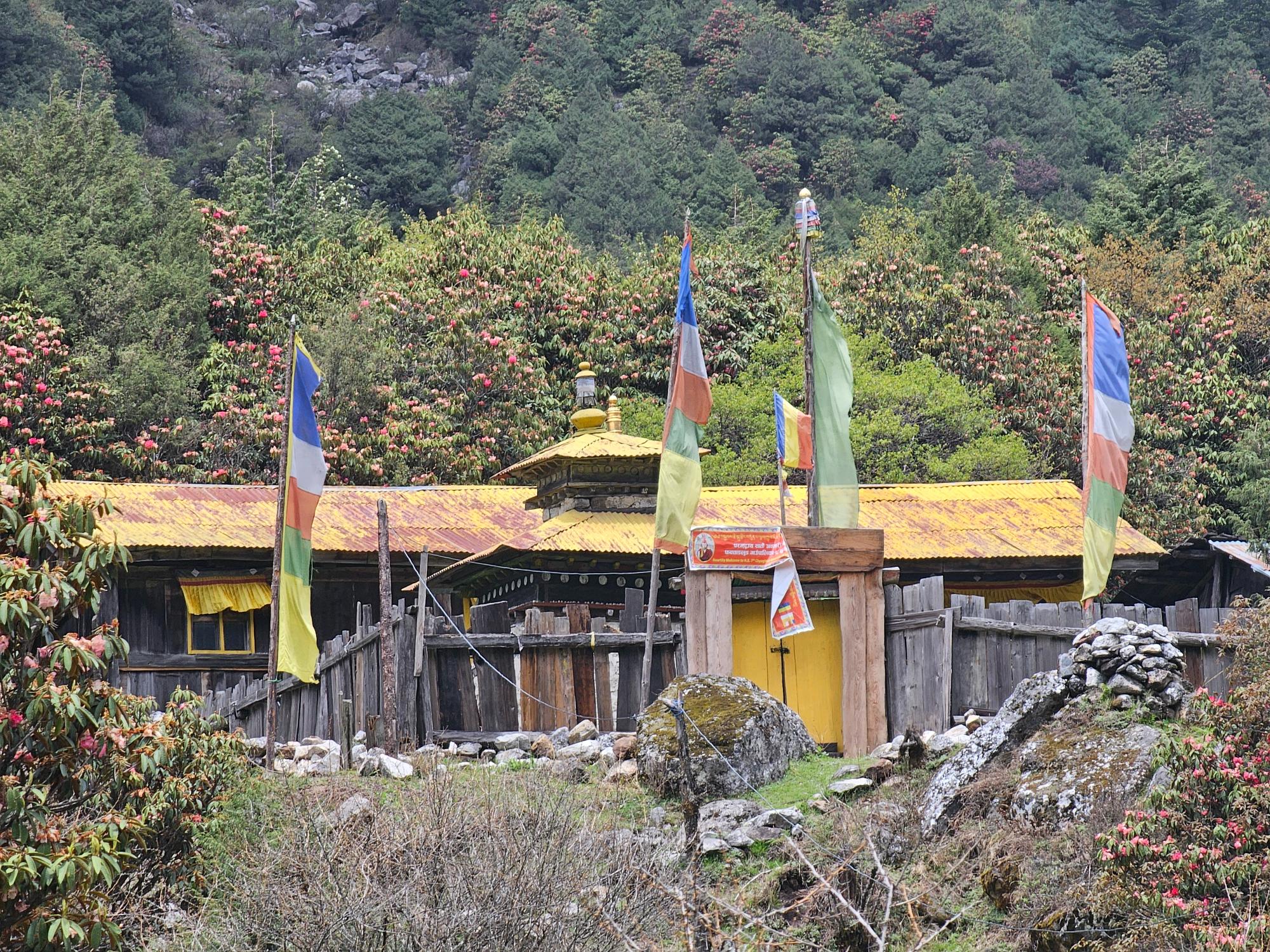
Trek into higher altitudes, entering pine and rhododendron forests. Arrive at Ghunsa, a traditional Tibetan village with wooden houses, monasteries, and prayer flags fluttering in the wind.
A rest day for acclimatization, with optional short hikes to nearby viewpoints or visits to the local monastery. Monitor health and enjoy the rich Sherpa and Tibetan culture.
Ascend along the river with stunning views of Jannu (Kumbhakarna) Peak. The landscape shifts to alpine meadows as you reach the yak pastures of Khambachen.
Trek through rocky moraines and glacial paths, with dramatic views of towering peaks. Arrive at Lhonak, a remote high-altitude settlement surrounded by glaciers.
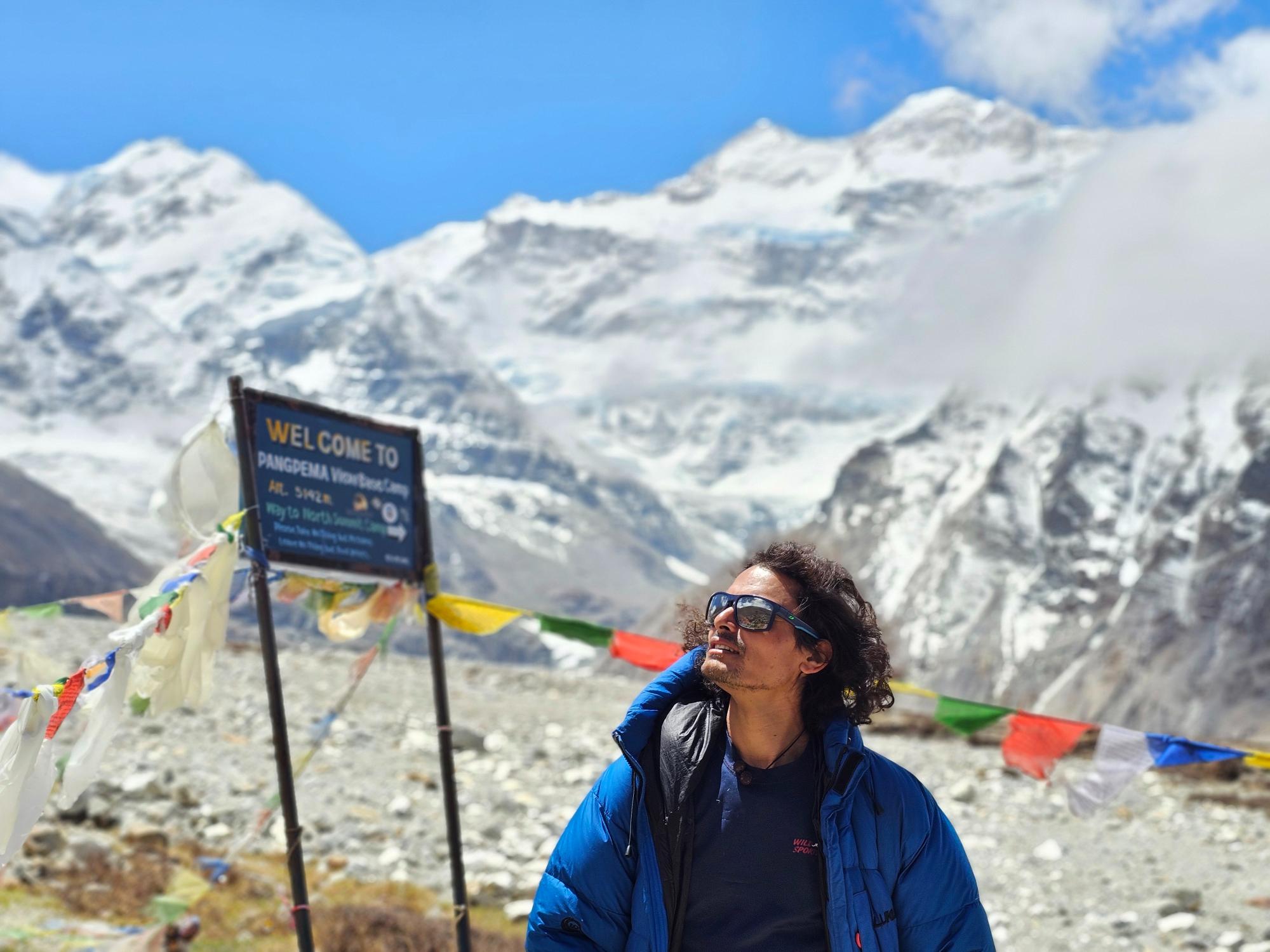
Early start for the highlight: trek to Pangpema, the North Base Camp, with breathtaking close-up views of Kanchenjunga massif. Return to Lhonak for rest.
Descend retracing the trail via Khambachen, enjoying shifting perspectives of the peaks, back to Ghunsa village.
Steep ascent from Ghunsa through forests and meadows towards the high passes, preparing for the challenging crossings in this pristine wilderness.
A strenuous day crossing Sele La, Sinion La, Mirgin La, and Sinelapcha La passes with sweeping high-altitude panoramas, followed by descent to Tseram.
Hike to Oktang for dramatic views of Kanchenjunga's south face and the impressive Yalung Glacier. Return to Tseram after this rewarding side trip.
Begin the descent through rhododendron forests and alpine terrain, passing traditional villages and enjoying the changing landscapes.
Continue descending via Yamphudin or similar villages, through diverse ecosystems and rural settlements back towards lower elevations.
Further descent along river valleys, crossing bridges and passing farmland, immersing in local Gurung and Tamang culture.
Complete the lower section trek, returning through familiar trails to the Taplejung region.
Jeep transfer back, enjoying scenic views through tea plantations and eastern hills.
Continue by jeep to Bhadrapur for your flight connection.
Morning flight back to Kathmandu, with free time for relaxation or souvenir shopping.
Extra day for any flight delays or additional rest/exploration in Kathmandu.
Use as needed for contingencies or optional activities.
Transfer to the international airport for your flight home, marking the end of an epic Kanchenjunga Circuit adventure.
Select your travel date & time, also minium traveller for reason easily booking a package.
It is strenuous because of the extreme altitude (reaching 5143m, long duration (20+ days of continuous walking for 6-8 hours daily), and the rugged, off-the-beaten-path terrain which includes steep ascents, descents, and crossing icy moraine.
The most challenging day is often the high-pass crossing on the circuit (Sele La/Mirgin La), which involves 8-10 hours of trekking over steep, icy, and exposed ridges at very high altitude. The final push from Lhonak to Pang Pema is also demanding over rough glacial moraine.
The primary risk is Acute Mountain Sickness (AMS), which can become serious due to the high altitude ($5143\text{m}$) combined with the route's limited facilities and remoteness. Proper acclimatization days (at Ghunsa and Khambachen) are mandatory for safety.
Accommodation is basic teahouse/lodge style throughout the trek. Rooms are typically twin-shared with shared bathrooms. Beyond Ghunsa and Ramche, expect extremely simple facilities, including limited or no access to hot showers, phone charging, or Wi-Fi.
Due to its Restricted Area status, you cannot trek solo. You must be accompanied by a licensed local guide and be in a group of at least two trekkers (or pay the permit fee for two people as a solo traveler).
The optimal seasons are Spring (March to May) and Autumn (September to November). Both offer stable weather, clear skies for mountain views, and moderate temperatures. Trekkers should avoid the heavy snows of winter and the landslides/clouds of the monsoon (June–August).
A curated list of the most popular travel packages based on different destinations.
Copyright 2025 Altitudeascent | All Right Reserved.
Accepted Payment Methods :